For years, mesothelioma treatment meant chemotherapy and little else. That changed when a new class of drugs taught the body’s own immune system to recognize and attack cancer cells, and for many patients facing this diagnosis, that shift has meant more time and renewed hope.
Immunotherapy has become one of the most important advances in mesothelioma care, and understanding the options helps patients ask the right questions of their medical team. At The Williams Law Firm, P.C., we support New York asbestos victims through every part of their fight, and we have never lost a mesothelioma case. Here is a clear look at the leading immunotherapy drugs and who they may help.
Immunotherapy drugs known as checkpoint inhibitors work differently from chemotherapy. Rather than directly poisoning fast-dividing cells, they block the signals cancer uses to hide from the immune system. Once those signals are interrupted, the body’s own immune cells can find and attack the mesothelioma. This approach has opened a genuinely new path for patients whose tumors cannot be removed with surgery.
Not every patient is a candidate, and response varies from person to person. Doctors weigh factors such as cell type, overall health, and whether the cancer can be surgically removed when deciding whether immunotherapy fits a treatment plan.
The combination of nivolumab, sold as Opdivo, and ipilimumab, sold as Yervoy, marked a turning point. According to the research published through the National Institutes of Health, this combination became the first new first-line treatment standard for unresectable pleural mesothelioma in roughly 15 years when it gained federal approval in 2020. The approval was based on a major clinical trial showing patients lived a median of about 18 months on the combination, compared with about 14 months on chemotherapy alone.
The two drugs target different immune checkpoints, which is why they are given together. This pairing is designed to destroy as many mesothelioma cells as possible by attacking the cancer’s defenses from more than one angle.
More recently, pembrolizumab, sold as Keytruda, gained federal approval in 2024 in combination with chemotherapy as another first-line option for advanced pleural mesothelioma. This gives medical teams a second immunotherapy-based pathway, expanding the choices available to patients who once had very few. The pace of these approvals reflects how quickly mesothelioma treatment is evolving.
Because eligibility depends on the specifics of each case, patients should discuss with their oncologist which combination, if any, is appropriate for their cell type and stage.
Immunotherapy is generally better tolerated than traditional chemotherapy, but it carries its own risks. Because these drugs activate the immune system, they can sometimes cause it to attack healthy tissue, leading to immune-related side effects such as fatigue, rash, diarrhea, and inflammation of organs. Most are manageable when caught early, which is why close monitoring matters throughout treatment.
Patients who do not qualify for standard immunotherapy may also explore clinical trials, where newer approaches are tested. Discussing the full range of options with a treatment team ensures no avenue is overlooked.
Immunotherapy uses drugs called checkpoint inhibitors that block the signals cancer uses to hide from the immune system. This allows the body’s own immune cells to find and attack mesothelioma, offering a different approach from chemotherapy.
Yes. The combination of nivolumab (Opdivo) and ipilimumab (Yervoy) gained federal approval in 2020 as a first-line treatment for unresectable pleural mesothelioma, based on a trial showing longer median survival than chemotherapy alone.
Yes. Pembrolizumab (Keytruda) gained federal approval in 2024 in combination with chemotherapy as a first-line option for advanced pleural mesothelioma, giving medical teams a second immunotherapy-based pathway.
Because immunotherapy activates the immune system, it can cause immune-related side effects such as fatigue, rash, diarrhea, and inflammation of organs. Most are manageable when caught early, so close monitoring is important throughout treatment.
If you or a loved one is facing mesothelioma in New York, we can help you pursue the compensation that makes the best treatment options possible. Contact us for a free, confidential consultation.
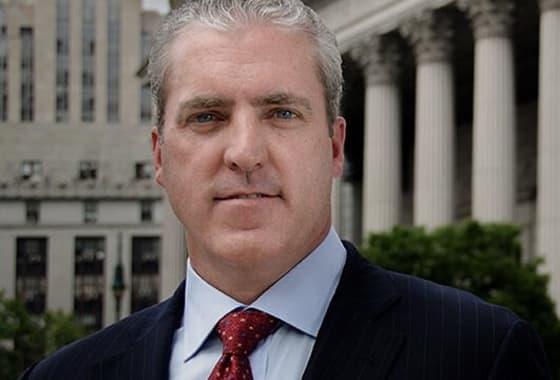
As the founding partner of Williams Law Firm, Joseph P. Williams has dedicated over 30 years to representing mesothelioma victims and their families. His firm has recovered hundreds of millions of dollars for those affected by asbestos exposure, offering personalized, aggressive legal advocacy. Based in New York, Williams Law Firm provides free consultations and handles cases nationwide.
