 Filing an asbestos trust claim in New York is often faster and less adversarial than pursuing a courtroom trial, and it does not require you to prove that a company acted negligently. Instead, you generally need medical documentation of a qualifying diagnosis and evidence that you were exposed to products made by a company that later filed for bankruptcy. More than 60 trusts remain active today, and many New York families affected by mesothelioma, lung cancer, or asbestosis can qualify for compensation from one or more of them, often while also pursuing other legal remedies at the same time.
At The Williams Law Firm, P.C., we help asbestos victims in New York identify every trust fund that may owe them compensation and guide them through each step of the filing process. Founding partner Joseph P. Williams brings 30 years of experience to mesothelioma cases and has never lost one at trial. We treat every claim individually, gathering the medical records, exposure history, and product documentation each trust requires so families can focus on their health rather than paperwork.
Asbestos trust funds exist because so many manufacturers that once produced or sold asbestos-containing products eventually filed for bankruptcy. Rather than leaving people who developed mesothelioma, asbestosis, or asbestos-related lung cancer without any way to recover money, federal bankruptcy law required these companies to set aside funds specifically for that purpose before they could be released from further liability. This framework comes from Section 524(g) of the U.S. Bankruptcy Code, and the first modern asbestos trust, the Manville Personal Injury Settlement Trust, was established in 1988 after Johns-Manville, once the country’s largest asbestos products manufacturer, filed for bankruptcy protection. More than 60 additional trusts have since followed the same basic model. Each trust is administered separately, with its own distribution procedures, disease categories, and payment percentages.
Because trust claims are an administrative process rather than a lawsuit, you generally do not need to prove negligence or go before a jury. Instead, you need to show that you meet the specific criteria a trust has established, which typically means providing a confirmed diagnosis and documentation connecting your exposure to that company’s products. This can make trust claims faster than litigation in many cases, though the amount available may be lower than what a jury might award at trial. Our firm reviews the full list of active asbestos trust funds for every client to identify each one that may apply, since most people were exposed to more than one manufacturer’s products over the course of their working lives.
Learn more about the asbestos trust claim process and how it fits alongside other potential sources of compensation available to New York families.
Eligibility for an asbestos trust fund claim generally depends on two things: a confirmed medical diagnosis and documented exposure to a company that established a trust. You typically need records showing a diagnosis of mesothelioma, asbestosis, asbestos-related lung cancer, or another qualifying disease, along with evidence that you encountered a product made or sold by the responsible company. That exposure does not have to be direct. Many people qualify through secondhand contact with asbestos fibers carried home on a family member’s clothing, tools, or work vehicle.
Occupational exposure remains one of the most common paths to eligibility, and New York’s industrial and maritime history means certain trades carry particularly high risk. Common high-risk occupations in New York include:
Family members who never worked around asbestos themselves may also qualify if they developed an asbestos-related illness from secondhand exposure. Surviving spouses, children, and other dependents can often file a claim on behalf of a family member who has died, whether through the trust process itself or a separate asbestos claim filed after a family member’s death.
New York State health officials report that around 150 new cases of mesothelioma are diagnosed in the state each year, according to the New York State Department of Health. Because mesothelioma and other asbestos-related diseases often develop decades after the original exposure, many of the people diagnosed today were exposed to asbestos products long before any trust fund existed to compensate them.
That gap between exposure and diagnosis is exactly why the trust fund system was designed the way it was. Bankruptcy courts understood that new cases would continue to surface for years, so trusts were structured to serve claimants who are diagnosed now, not only those who filed claims when a company first went bankrupt. If you or a family member has recently received a diagnosis, the compensation these trusts were created to provide can still be available to you.
At the same time, trust filing deadlines and state statutes of limitations do not wait indefinitely. Understanding how much time you may have, and moving forward on documentation while records and witnesses are still available, can make a meaningful difference in the outcome of a claim.
Filing a strong trust claim starts with documentation. You will generally need complete medical records confirming your diagnosis, including pathology reports, imaging studies, and physician statements, along with employment records showing where and when you worked and what your job duties involved.
Gathering supporting evidence. Product identification records, safety data sheets, union membership records, and even coworker or family testimony can help establish which specific products exposed you to asbestos. Veterans can often rely on military service records to help establish exposure during their time in the service. An attorney who maintains detailed records your legal team will need for your mesothelioma claim can help you assemble this evidence efficiently rather than starting from scratch.
Completing each trust’s claim forms. Every trust maintains its own forms and requires detailed information about your diagnosis, exposure history, employment timeline, and any compensation you have already received from other sources. Accuracy matters, since inconsistencies between claims filed with different trusts can trigger audits or reduce your payment.
Filing with every trust that may apply. Most people who worked around asbestos encountered products from several manufacturers, which often means qualifying for more than one trust. Each trust operates on its own timeline. Some process claims within months, while others take considerably longer, so filing with every applicable trust as early as possible helps ensure you do not leave available compensation unclaimed. Our firm tracks each submission and follows up with trust administrators on your behalf so nothing falls through the cracks during a process that can otherwise stretch out for a long time.
Asbestos trust fund claims are not the only path to compensation, and pursuing one does not require you to give up any other option. Many people diagnosed with an asbestos-related disease qualify for compensation through more than one path at the same time.
Trust fund claims are filed against companies that already went bankrupt and are resolved administratively rather than in court. A personal injury or mesothelioma lawsuit, by contrast, is filed against companies that never went bankrupt and can potentially result in a larger recovery, though it typically takes longer and may involve depositions or a trial. Veterans exposed to asbestos during military service may additionally be eligible for VA disability benefits, which are separate from both trust claims and civil lawsuits and are administered by the Department of Veterans Affairs rather than by a private trust or the courts.
Because these paths do not exclude one another, our firm reviews each client’s full exposure history to identify every trust that may apply, evaluates whether litigation against a non-bankrupt company is appropriate, and helps veterans understand how VA benefits may fit into their overall recovery. Pursuing every applicable avenue, rather than settling for whichever option seems simplest, is often the most effective way to pursue the full compensation an asbestos diagnosis may warrant.
New York applies the discovery rule to asbestos cases, which means the three-year statute of limitations for a personal injury claim generally begins running from the date of diagnosis, not the date of the original exposure. If a family member has died of an asbestos-related disease, surviving relatives generally have two years from the date of death to file a wrongful death claim. These deadlines apply to litigation against companies that never filed for bankruptcy, and understanding how long a mesothelioma case can take from filing to resolution can help you plan accordingly.
Asbestos trust funds operate on a separate timeline. Each trust sets its own filing deadline, and many mirror the statute of limitations in the state where the claimant lives or was exposed, though this varies by trust and is never guaranteed. Missing a trust’s deadline can mean losing access to that specific source of compensation entirely, even if other legal options remain available.
Because trust deadlines and state statutes of limitations can run on different clocks, tracking every applicable deadline across multiple trusts and potential lawsuits is one of the more complex parts of pursuing full compensation. Contacting an attorney soon after diagnosis, rather than waiting, gives your legal team the most time to investigate your exposure history, identify every trust that may apply, and file before any deadline passes.
No two trust fund claims are identical, and the amount available through a trust depends on several factors specific to each case. The type and severity of your diagnosis matters significantly, since most trusts categorize claims by disease level and generally allocate higher payment amounts to mesothelioma claims than to other asbestos-related conditions such as asbestosis or pleural disease. The strength of your product identification evidence also plays a role, since claims supported by strong documentation connecting your exposure to a specific company’s products tend to move through review more smoothly than claims with limited supporting evidence. The length and intensity of your exposure history, along with how many separate trusts your work or family history connects you to, can also shape your total potential recovery.
Each trust’s current payment percentage is another significant factor. Because trusts must balance today’s claims against the needs of people who will be diagnosed years from now, trusts periodically adjust the percentage of the scheduled claim value they pay out, and that percentage can change over time. Filing with every trust that may apply, rather than only the first one identified, can also affect your total recovery, since qualifying for multiple trusts generally means multiple potential sources of payment. Learn more about the broader range of mesothelioma compensation your family may be entitled to beyond trust fund claims alone.
Because so many variables affect any individual claim, we do not estimate a specific dollar amount before reviewing a client’s full medical and exposure history, and we encourage families to be cautious of any promise that sounds too specific before an attorney has actually examined the details of a case.
Navigating asbestos trust claims while managing a serious illness can create tremendous stress on top of everything else your family is already carrying. At The Williams Law Firm, P.C., founding partner Joseph P. Williams brings three decades of experience to mesothelioma cases and has never lost one at trial. We treat every claim as our own, gathering medical records, exposure history, and product documentation so you can focus on your health and your family rather than paperwork.
We handle communication with trust administrators, respond to information requests, and appeal denied claims when necessary. Because we identify every trust that may apply to a client’s specific exposure history rather than filing with only the most obvious one, many clients qualify for more sources of compensation than they initially realized. For clients who worked at job sites throughout the city, our firm’s familiarity as a mesothelioma lawyer in Manhattan with documented worksites and naval records can help identify every applicable trust tied to a specific building, shipyard, or product.
Trust fund claims represent just one avenue for compensation. We simultaneously evaluate whether litigation against companies that never filed for bankruptcy is appropriate, so families are not limited to whichever source of compensation seems easiest to pursue. We handle every case on a contingency fee basis, so you pay nothing unless we recover compensation on your behalf.
You are not required to hire an attorney to file an asbestos trust fund claim, but the process can be complex, since each trust maintains its own forms, evidentiary requirements, and disease categories. An attorney experienced in asbestos trust claims can help identify every trust that may apply to your specific exposure history, gather the medical and employment documentation each trust requires, and communicate directly with trust administrators. Many families find that professional guidance helps them avoid delays or denials caused by incomplete or inconsistent filings.
Yes. Most people who worked around asbestos were exposed to products made by several different manufacturers over the course of their careers, and there is generally no limit on the number of trust funds you can file a claim with, as long as you can document exposure to each responsible company’s products. Filing with every applicable trust, rather than only the first one identified, can meaningfully increase your total potential recovery.
Compensation for physical injury or illness, including many asbestos trust fund payments, is often excluded from federal taxable income under current tax law, though the specific tax treatment can depend on how a claim is categorized and whether any portion compensates for something other than physical injury, such as certain wrongful death damages. Because tax rules can be complex and fact specific, we recommend discussing your particular claim with a qualified tax professional in addition to your attorney.
Yes. Surviving spouses, children, and other eligible dependents can often file a claim on behalf of a family member who died from mesothelioma or another asbestos-related disease, whether or not that person filed a claim before passing away. These claims may cover damages such as medical expenses, funeral costs, and lost income, in addition to potential wrongful death compensation pursued separately from the trust fund process.
Each trust sets its own filing deadline, and many trusts model those deadlines on the statute of limitations in the state where the claimant lives or was exposed, though this varies by trust. In New York, the discovery rule generally means the three-year statute of limitations for a personal injury claim begins at diagnosis rather than at the time of exposure, and wrongful death claims generally must be filed within two years of death. Because deadlines vary, contacting an attorney soon after diagnosis is one of the best ways to protect your options.
Filing a trust fund claim does not prevent you from also pursuing a lawsuit against companies that never filed for bankruptcy. In fact, many families pursue both at the same time to maximize the compensation available to them. Because trust claims and lawsuits involve different processes, deadlines, and evidentiary requirements, an attorney can help coordinate both so that pursuing one does not create delays or complications for the other.
A mesothelioma or asbestos-related diagnosis changes everything, but you do not have to sort through trust fund paperwork, exposure records, and filing deadlines on your own. Our team can review your work history, medical records, and potential exposure sources to identify which trusts may apply to your situation and which additional legal options may be available alongside them.
Every case is different, and we do not make promises about how much compensation any individual claim may recover. What we can commit to is treating your claim with the same individual attention and diligence we bring to every mesothelioma case we handle, on a contingency fee basis so you pay nothing unless we recover compensation for you. Schedule a free consultation to learn more about your options for pursuing an asbestos trust fund claim in New York.
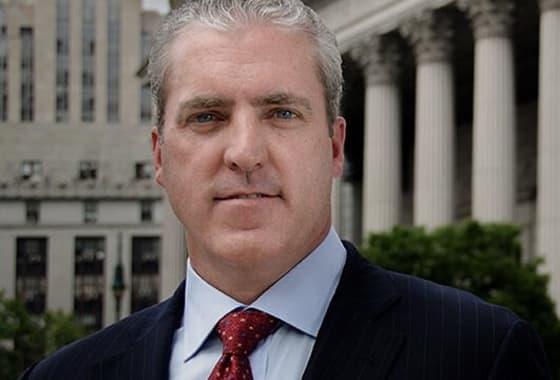
As the founding partner of Williams Law Firm, Joseph P. Williams has dedicated over 30 years to representing mesothelioma victims and their families. His firm has recovered hundreds of millions of dollars for those affected by asbestos exposure, offering personalized, aggressive legal advocacy. Based in New York, Williams Law Firm provides free consultations and handles cases nationwide.
