Mesothelioma is one of the most frequently misdiagnosed cancers in the United States. Because it is rare, mimics other conditions, and develops in the lining around organs rather than the organs themselves, many patients initially receive an incorrect diagnosis. A second opinion from a physician who specializes in mesothelioma is not just a reasonable precaution — it is one of the most important medical decisions a newly diagnosed patient can make. The difference between an accurate early diagnosis and months of treating the wrong condition can directly affect which treatments are available and how much time a patient has.
At The Williams Law Firm, P.C., Attorney Joseph P. Williams has represented mesothelioma patients and their families for more than 30 years and has never lost a mesothelioma case. If you or a loved one has received a mesothelioma diagnosis, we can help you understand both your medical options and your legal rights.
⚠ Time-Sensitive — New York Law Limits Your Window to File
Diagnosed with mesothelioma? New York’s 3-year statute of limitations runs from your diagnosis date, not your exposure date.
Over 1,000 families represented. Hundreds of millions recovered. Never lost a mesothelioma case. No fees unless we win.
Approximately 3,000 new mesothelioma cases are diagnosed in the United States each year, compared to over 280,000 breast cancer diagnoses and over 200,000 lung cancer diagnoses. Because most physicians see only a handful of mesothelioma cases in their careers, the disease is rarely the first diagnosis considered when a patient presents with chest pain, shortness of breath, or pleural effusion. The same symptoms are far more commonly caused by pneumonia, congestive heart failure, COPD, or lung cancer — all of which will naturally receive primary diagnostic attention before a physician considers mesothelioma.
The latency period creates additional diagnostic complexity. Most patients are diagnosed 20 to 50 years after their asbestos exposure, often at an age when other respiratory and cardiac conditions are common. Many patients have no memory of a specific exposure event or may not connect past occupational contact with asbestos to their current symptoms. Without a proactive disclosure of asbestos exposure history to the treating physician, mesothelioma may not enter the differential diagnosis at all.
Studies have found that mesothelioma is misdiagnosed in a significant proportion of initial evaluations. The most common misdiagnoses include lung cancer, other pleural malignancies, metastatic cancer from other primary sites, and benign conditions such as reactive mesothelial hyperplasia or fibrous pleuritis. Pathologists unfamiliar with mesothelioma’s distinctive cell markers can mistake it for adenocarcinoma or squamous cell carcinoma, leading to entirely different treatment protocols that are ineffective against mesothelioma.
The cell type and subtype of mesothelioma also affects diagnostic accuracy. Sarcomatoid mesothelioma, which has the worst prognosis, is particularly prone to misdiagnosis because its spindle-shaped cells resemble other sarcomas. Biphasic mesothelioma, which has both epithelioid and sarcomatoid components, may be diagnosed as purely one or the other depending on which tissue sample was analyzed. An accurate cell type determination is critical because it directly affects which treatments are appropriate and whether surgical options exist.
A second opinion from a mesothelioma specialist provides several specific and important benefits that a second opinion from a general oncologist may not.
Mesothelioma specialists use a more complete immunohistochemistry panel to distinguish mesothelioma cell types and rule out look-alike diagnoses. An accurate cell type classification — epithelioid, sarcomatoid, or biphasic — shapes every subsequent treatment decision. Patients whose tumors were initially misclassified have received inappropriate chemotherapy regimens or been told they were not surgical candidates when in fact they might have been.
Mesothelioma surgeons at specialized centers review each case individually to determine whether pleurectomy/decortication, extrapleural pneumonectomy, or cytoreductive surgery with HIPEC for peritoneal cases is appropriate. General oncologists without mesothelioma surgical experience frequently advise patients that they are not surgical candidates, when in fact a thoracic surgeon at a dedicated mesothelioma center might reach a different conclusion. Surgery at early stages can meaningfully extend survival by 12 months or more compared to chemotherapy alone.
Mesothelioma centers participating in research have access to clinical trials testing immunotherapy combinations, novel chemotherapy protocols, and targeted therapies that are not available at community oncology practices. Patients who are evaluated at a mesothelioma center rather than a general oncology practice are far more likely to be identified as eligible for trials that may significantly extend their survival. The FDA approved nivolumab plus ipilimumab as a first-line immunotherapy option for unresectable pleural mesothelioma in 2020 based on the CheckMate 743 trial — a treatment that many community oncologists were slower to adopt.
Major mesothelioma centers convene tumor boards composed of thoracic surgeons, medical oncologists, radiation oncologists, pulmonologists, and pathologists who review each case together and develop a coordinated multimodal treatment plan. This collaborative approach produces meaningfully better outcomes than sequential single-specialty consultations. Patients treated with multimodal therapy — surgery plus chemotherapy, or surgery plus immunotherapy — consistently show better survival outcomes than those treated with a single modality.
The best second opinions for mesothelioma come from physicians at NCI-designated comprehensive cancer centers with dedicated mesothelioma programs. Centers with significant mesothelioma experience include Memorial Sloan Kettering Cancer Center in New York City, Brigham and Women’s Hospital and Dana-Farber Cancer Institute in Boston, MD Anderson Cancer Center in Houston, Moffitt Cancer Center in Tampa, and the University of Chicago Medicine. For New York patients, Memorial Sloan Kettering is the most accessible option and has one of the largest mesothelioma case volumes in the country.
When scheduling a second opinion, bring all pathology slides and tissue blocks (not just the written report), all imaging studies with original files on CD or digital transfer, your complete prior treatment records, and a written summary of your asbestos exposure history to share with the consulting team. The pathology review is often the most important element — requesting that your tissue samples be reviewed by a pathologist at the specialist center rather than just your original pathology report.
Most treating physicians welcome second opinions at mesothelioma centers and will assist in facilitating the referral and transfer of records. If your physician is hesitant, it is your right as a patient to request any and all records and seek evaluation elsewhere. Request copies of all pathology reports, surgical reports, imaging studies, and treatment summaries. Most major cancer centers have dedicated mesothelioma programs with coordinators who can expedite the consultation process for urgent cases. Health insurance, including Medicare, typically covers second opinion consultations at other institutions.
Pursuing a second opinion and seeking legal representation for a mesothelioma claim are not mutually exclusive, and doing both simultaneously is often advisable. A confirmed, accurate diagnosis from a specialist center will strengthen a legal claim by clearly establishing the nature and extent of the disease. An asbestos attorney can help you identify which employers, manufacturers, and trust funds may be responsible for your exposure while your medical team focuses on treatment. In New York, the statute of limitations for filing a mesothelioma personal injury claim is three years from the date of diagnosis. The Williams Law Firm, P.C. handles mesothelioma cases on a contingency fee basis — you pay nothing unless we win. Reach out through our contact form to schedule a free consultation.
★ ★ ★ ★ ★ Client Review: 5/5
“The Joseph Williams Law Office has been very kind, professional, and knowledgeable. They have helped our family through a very difficult time and I would recommend their services to anyone that needs help.”
— Lindsta Ann, Verified Client
Yes, in virtually all cases. Mesothelioma is rare enough that most oncologists have limited direct experience with it, and the diagnostic complexity is high enough that errors in cell type classification and staging are common. A second opinion from a dedicated mesothelioma specialist at a major cancer center can confirm or correct the diagnosis, open the door to surgical options the original physician may not have considered, and provide access to clinical trials. There is no meaningful downside to seeking a second opinion, and the potential upside — additional treatment options and improved outcomes — is significant.
In most cases, no. Major cancer centers with dedicated mesothelioma programs can typically schedule consultations within one to two weeks for urgent cases. The time spent on a second opinion is usually recouped because an accurate diagnosis from a specialist center enables a more targeted treatment plan from the start, avoiding the wasted time and toxicity of treatments designed for a different diagnosis. If you are already receiving treatment, discuss the timing with your oncologist — most consultations can proceed in parallel with ongoing care.
The most common misdiagnoses for pleural mesothelioma are lung cancer (adenocarcinoma in particular), metastatic cancer from a different primary site, and benign reactive mesothelial hyperplasia. Sarcomatoid mesothelioma is frequently confused with other sarcomas. Peritoneal mesothelioma is often initially misdiagnosed as ovarian cancer in women or peritoneal carcinomatosis from a gastrointestinal primary. In each of these misdiagnosis scenarios, the recommended treatment differs fundamentally from what is appropriate for mesothelioma, making an accurate diagnosis critically important.
Yes, in most cases. Most health insurance plans, including Medicare and Medicaid, cover second opinion consultations at other institutions. Some plans may require a referral or pre-authorization, so it is worth checking your coverage before scheduling. If cost is a barrier, speak with the patient services coordinator at the specialist center — many major cancer centers have financial counselors who can assist with coverage questions and out-of-pocket cost concerns.
Yes, and doing both simultaneously is often advisable. A mesothelioma attorney can begin identifying the sources of your asbestos exposure and building your legal claim while your medical team focuses on diagnosis and treatment. In New York, the statute of limitations for filing a mesothelioma personal injury claim is three years from the date of diagnosis. The Williams Law Firm, P.C. handles cases on a contingency fee basis — no fees unless we win.
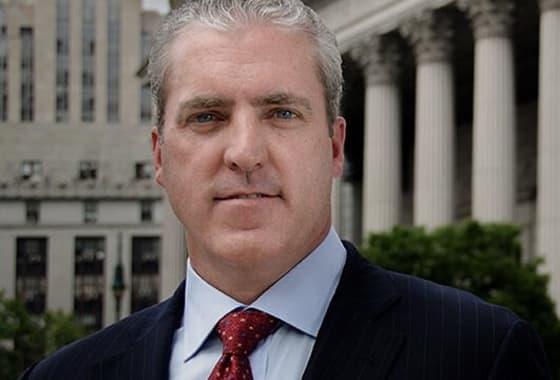
As the founding partner of Williams Law Firm, Joseph P. Williams has dedicated over 30 years to representing mesothelioma victims and their families. His firm has recovered hundreds of millions of dollars for those affected by asbestos exposure, offering personalized, aggressive legal advocacy. Based in New York, Williams Law Firm provides free consultations and handles cases nationwide.
