Asbestos is a hazardous material that was commonly used in building construction and insulation prior to the 1980s. It has been linked to serious health problems such as lung cancer and mesothelioma.
Asbestos is dangerous because it is a carcinogen, meaning it can cause cancer. When asbestos fibers are inhaled, they can become lodged in the lungs and remain there for many years. Over time, this can lead to the development of serious lung diseases, such as lung cancer and mesothelioma, a rare form of cancer that affects the lining of the lung or abdomen.
Inhaling asbestos fibers can also cause other respiratory problems, such as asbestosis, a chronic lung disease that causes lung tissue scarring and makes breathing difficult.
Additionally, asbestos fibers can become embedded in clothing, hair, and skin and can be carried into homes, putting family members at risk.
It’s important to note that asbestos-related diseases can take years or even decades to develop, so asbestos exposure today may not result in immediate health problems but can lead to serious health issues later in life.
Asbestos can be found in many older homes built before the 1980s. Some common places where asbestos can be found include:
It’s important to note that if asbestos is not disturbed, it is generally not harmful. However, if it is disturbed and the fibers become airborne, they can be inhaled and pose a health risk. If you suspect that your home may contain asbestos, it’s best to have it tested by a professional and follow proper abatement procedures if necessary.
The following are some safe alternatives to asbestos:
It’s always best to consult with a professional and follow local building codes to determine the best insulation material for your needs.
Modern construction has developed numerous safe alternatives to asbestos that provide similar benefits without the health risks. These materials are designed for specific applications across various industries and building needs.
Mineral wool is one of the most effective insulation alternatives, containing high percentages of recycled materials while naturally resisting fire without harmful chemicals. Cellulose fiber, made from 85% recycled newsprint, offers exceptional fire resistance and energy efficiency. Polyurethane foam controls moisture and regulates temperature in roofing and ventilation systems while remaining non-toxic.
Amorphous silica fabrics are essential in shipyards, electrical facilities, and aerospace industries where extreme heat resistance is required. Thermoset plastics, including epoxies and silicones, serve various purposes from automotive parts to electrical insulation.
Flour fillers made from wheat, rice, or walnut shells provide natural alternatives for crack filling and improved insulation. Fiberglass offers strong insulation and fire resistance for walls, roofing, and automotive components. Natural materials including hemp, sheep’s wool, and cotton treated with borate provide renewable, sustainable alternatives.
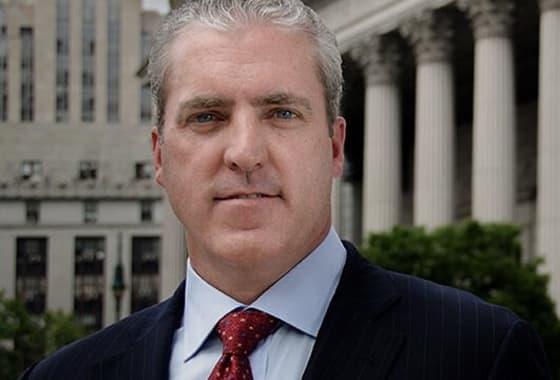
As the founding partner of Williams Law Firm, Joseph P. Williams has dedicated over 30 years to representing mesothelioma victims and their families. His firm has recovered hundreds of millions of dollars for those affected by asbestos exposure, offering personalized, aggressive legal advocacy. Based in New York, Williams Law Firm provides free consultations and handles cases nationwide.
