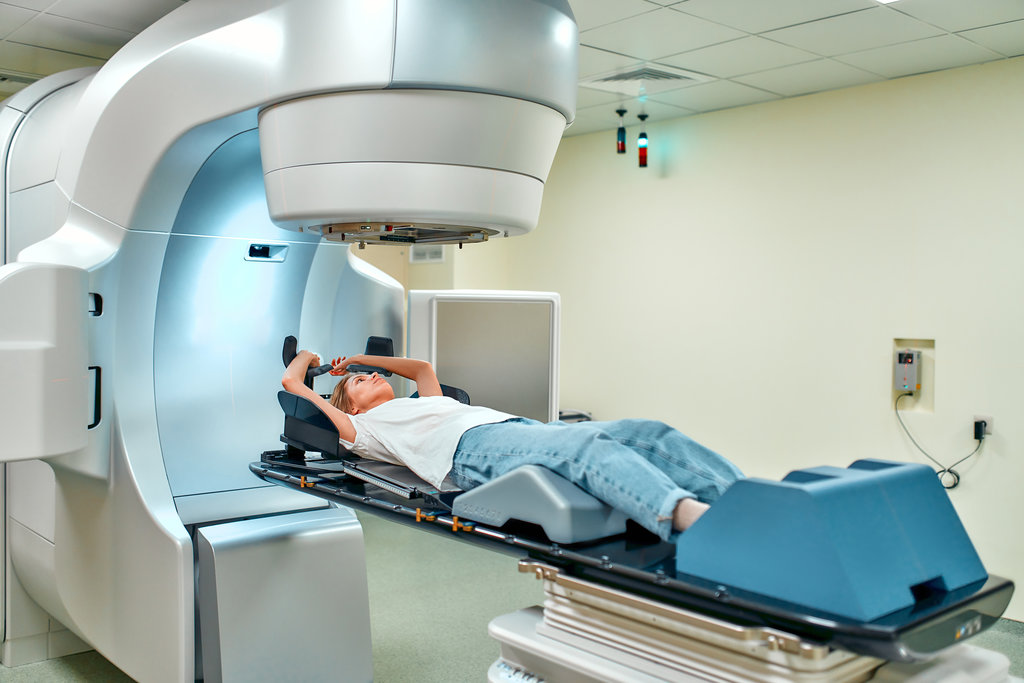
When you receive a mesothelioma diagnosis, you may need radiation, one of the primary treatment modalities for mesothelioma, often used alongside surgery and chemotherapy to target cancer cells and improve quality of life. This treatment uses high-energy beams to destroy cancer cells or slow their growth, offering hope to patients navigating this challenging diagnosis.
At The Williams Law Firm, P.C., we understand that while you focus on your medical treatment, the legal and financial burdens can feel overwhelming. Our founding partner, Joseph P. Williams, brings 30 years of experience fighting for mesothelioma victims and their families. We work to secure the compensation you deserve while you concentrate on your health and recovery.
Radiation therapy uses targeted beams of energy to damage the DNA of cancer cells, preventing them from multiplying and eventually causing them to die. For mesothelioma patients, radiation serves multiple purposes depending on the stage of cancer and overall treatment plan. According to the American Cancer Society, radiation may act as a curative treatment to eliminate cancer cells, as an additional therapy following surgery to destroy remaining cells, or as a measure to relieve symptoms and improve comfort.
The treatment works by directing radiation precisely at the tumor site while minimizing exposure to surrounding healthy tissue. Modern radiation techniques have become increasingly sophisticated, allowing oncologists to deliver higher doses to cancer cells while protecting vital organs like the heart and lungs. This precision makes radiation therapy a valuable tool in treating mesothelioma.
Several types of radiation can help treat mesothelioma, each designed for specific situations and treatment goals. Your oncology team will recommend the most appropriate option based on your cancer stage, overall health, and treatment objectives.
The main radiation therapy types include the following:
Treatment typically occurs five days per week over several weeks, with each session lasting only a few minutes. The consistency of this schedule allows radiation to work most effectively while giving healthy cells time to recover between treatments.
Because every mesothelioma patient is different, oncologists consider several factors, including the stage of your cancer, your overall health, and your treatment goals, when deciding on the timing and purpose of radiation in your treatment. They may recommend radiation therapy for mesothelioma for the following reasons:
Following surgical procedures like pleurectomy or extrapleural pneumonectomy, radiation may help eliminate microscopic cancer cells that surgery cannot remove. This adjuvant approach aims to reduce the risk of cancer recurrence and extend survival time. The radiation targets the surgical area to destroy any remaining cancer cells that may be too small to detect through imaging or visual examination during surgery.
For patients who cannot undergo surgery due to advanced disease or other health factors, radiation may serve as a primary treatment to shrink tumors and control symptoms. The therapy can reduce chest pain, ease breathing difficulties, and improve overall comfort. Additionally, radiation plays a crucial role in preventing mesothelioma from spreading to areas where procedures like thoracentesis or chest tube placement occurred.
Some treatment protocols combine radiation with chemotherapy for mesothelioma in what doctors call multimodal therapy. This comprehensive approach often yields better outcomes than any single treatment alone. Your medical team will evaluate your specific situation to determine the optimal timing and combination of therapies.
Like all cancer treatments, radiation therapy can cause side effects, though not every patient experiences them to the same degree. The most common effects include fatigue, skin irritation at the treatment site, and localized pain or discomfort. Many patients also experience nausea, difficulty swallowing, or shortness of breath, particularly when radiation targets areas near the esophagus or lungs.
These side effects typically develop gradually during treatment and may persist for several weeks after completion. However, most are manageable with supportive care and medications. Your oncology team will monitor you closely throughout treatment and adjust your care plan as needed to minimize discomfort. Long-term effects can include scarring of lung tissue or damage to nearby organs, though modern precision techniques have significantly reduced these risks.
Radiation therapy and other mesothelioma treatments come with substantial financial costs that can burden families already dealing with emotional stress. If asbestos exposure caused your diagnosis, you have legal rights to pursue compensation from responsible parties. With an undefeated track record in handling mesothelioma cases and hundreds of millions of dollars recovered for our clients, we have the experience and resources to build a strong case on your behalf.
We meet clients in their homes to discuss their cases and handle all aspects of the legal process while you focus on treatment and spending time with family. Our personalized approach means you work directly with Attorney Williams, not a less experienced associate, throughout your case. To schedule a free consultation and take the first step to secure the financial peace of mind you deserve, contact us today.

As the founding partner of Williams Law Firm, Joseph P. Williams has dedicated over 30 years to representing mesothelioma victims and their families. His firm has recovered hundreds of millions of dollars for those affected by asbestos exposure, offering personalized, aggressive legal advocacy. Based in New York, Williams Law Firm provides free consultations and handles cases nationwide.

