
A mesothelioma diagnosis may leave you and your family searching for every possible avenue to improve outcomes and extend life. While standard treatments like surgery, chemotherapy, and radiation remain foundational, clinical trials play a significant role in the fight against this aggressive cancer. While these research studies offer hope when conventional options have been exhausted, you may have questions about eligibility, time commitment, risks, and benefits.
At The Williams Law Firm, P.C., we understand that navigating a mesothelioma diagnosis involves both medical and legal considerations. For over 30 years, Attorney Joseph P. Williams has fought for families affected by asbestos exposure, securing hundreds of millions of dollars in compensation while helping clients access the resources they need. If you or someone you care about is exploring treatment options for mesothelioma, understanding clinical trials can be an important part of your journey.
Clinical trials are carefully controlled research studies designed to evaluate new treatments, diagnostic methods, or prevention strategies. For mesothelioma patients, these trials may test novel chemotherapy combinations, immunotherapy drugs, targeted therapies, or innovative surgical techniques that aren’t yet widely available.
Before committing to any clinical trial, you should understand exactly what participation entails and whether it aligns with your treatment goals. The following questions can help guide productive conversations with your medical team about whether a specific trial is right for you:
Ask your doctor whether you meet the eligibility criteria for the trials you’re considering. These criteria often depend on factors such as your mesothelioma type, stage, prior treatments, overall health, and specific biomarkers in your tumor cells. Some trials only accept patients who haven’t received prior treatment, while others specifically recruit those whose disease has progressed after standard therapies.
Understanding how participation would change your existing care is essential. Some trials replace your existing therapy entirely, while others add experimental treatments alongside standard care. Ask whether you can continue seeing your regular oncologist or if you’ll need to transfer care to the research facility. Clarify whether you’ll be able to resume standard treatments if you leave the trial or if it concludes.
Clinical trials often demand significant time and travel. You’ll want to know how often you’ll need to visit the treatment center, whether you’ll need to stay nearby during certain treatment phases, and how long the trial is expected to last. Ask about the schedule for treatments, testing, and follow-up appointments so you can plan accordingly and understand the impact on your daily life.
Understanding the financial aspects matters just as much as the medical details. Will your insurance cover the standard-of-care treatments provided as part of the trial? Who pays for experimental treatments, additional testing, or travel expenses? What happens if you experience serious side effects—will you receive care at no cost? These financial and logistical questions can significantly impact your ability to participate and should be addressed before enrollment.
Ask your doctor to explain clearly what the trial aims to achieve. Are researchers testing whether the treatment extends survival, improves quality of life, reduces symptoms, or slows disease progression? Knowing the trial’s goals helps you determine whether they align with your priorities. Request information about results from earlier phases of the trial if available, as this data can provide insight into what you might expect.
Request detailed information about potential side effects and how they compare to standard treatments. New therapies may carry unknown risks, and some experimental treatments cause side effects that differ significantly from conventional options. Ask what proportion of participants in earlier trial phases experienced serious side effects and what measures are in place to monitor and manage adverse reactions during your participation.
Some trials use placebos or control groups where you might not receive the experimental treatment at all. Ask what proportion of participants receive the experimental treatment versus standard care or placebo. Understand whether the trial uses randomization to assign treatments and whether you’ll know which treatment you’re receiving. This information helps you set realistic expectations about your participation.
You should understand what monitoring and safety measures are in place. How will doctors track side effects? What happens if you experience severe reactions? Can you leave the trial at any time without penalty? What follow-up care will you receive after the trial ends, and will you have access to the experimental treatment if it proves effective? These protections ensure that your safety remains the top priority throughout the research process.
Ask your doctor to explain all your treatment options, not just experimental ones. How does the trial treatment compare to standard therapies in terms of expected outcomes, side effects, and quality of life? Consider seeking a second opinion from another mesothelioma specialist, particularly one at a cancer center experienced in treating this rare disease. Different doctors may have varying perspectives on whether a particular trial is appropriate for your situation.
Making treatment decisions after a mesothelioma diagnosis requires both medical knowledge and legal guidance. At The Williams Law Firm, P.C., Attorney Joe Williams has dedicated three decades to representing mesothelioma victims and their families, securing the compensation needed to cover medical expenses, including participation in clinical trials. We have never lost a mesothelioma case and have helped over 1,000 families navigate both the legal and medical challenges of this disease.
Our team provides personalized service and meets clients in their homes to discuss their cases. We understand that mesothelioma is the most serious case a person could ever face, and we treat every client with the respect and care they deserve. Contact us today to schedule a free consultation.
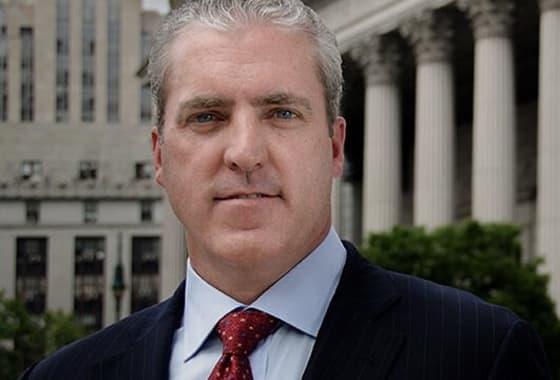
As the founding partner of Williams Law Firm, Joseph P. Williams has dedicated over 30 years to representing mesothelioma victims and their families. His firm has recovered hundreds of millions of dollars for those affected by asbestos exposure, offering personalized, aggressive legal advocacy. Based in New York, Williams Law Firm provides free consultations and handles cases nationwide.

