
Waking up drenched in sweat, heart racing, with a body that won’t cool down — for mesothelioma patients, this is not just an uncomfortable night. It may be a sign that something more serious needs attention. Night sweats and fever are among the most disruptive and concerning symptoms that can accompany a mesothelioma diagnosis, yet many patients and families don’t know how to respond to them or what they actually mean.
At The Williams Law Firm, P.C., we work alongside mesothelioma patients and their families every day — not just in the courtroom, but as advocates for their overall wellbeing. While we are not medical professionals, we understand how these symptoms affect daily life, treatment decisions, and even the strength of a legal case. If you or someone close to you is navigating these challenges after an asbestos-related diagnosis, our mesothelioma support and resources page may offer helpful context as you read on.
Night sweats and fever in mesothelioma patients are rarely isolated problems. They tend to stem from the disease itself, from treatment side effects, or from the body’s compromised immune response. According to the National Cancer Institute, hot flashes and night sweats can result directly from cancer or from its treatment, and they affect both men and women.
In mesothelioma specifically, the tumor’s presence in the pleural or peritoneal lining can trigger inflammatory responses that raise body temperature and disrupt sleep. Chemotherapy and immunotherapy can compound this by lowering white blood cell counts, making patients more vulnerable to infection — which is one of the most common causes of fever in cancer patients. Understanding the source of these symptoms is essential before attempting to manage them.
Mesothelioma tumors produce proteins that can trigger the body’s inflammatory response. This internal response often manifests as a persistent low-grade fever or recurring episodes of night sweats, even when no infection is present. It is the body reacting to the presence of cancer cells.
Chemotherapy and immunotherapy are known to affect the body’s temperature regulation. Immunotherapy in particular can overstimulate the immune system, sometimes causing fever as a side effect. Patients undergoing active treatment should track any temperature changes and report them to their oncology team promptly.
While managing night sweats completely may not always be possible, there are several approaches that may reduce their frequency and severity. These strategies are not replacements for medical care, but they may make a significant difference in day-to-day comfort and sleep quality.
Here are some approaches worth discussing with a care team:
These adjustments are most effective when combined with open communication with the treating medical team. Patients should never attempt to self-medicate for fever without guidance from their doctors, as fever thresholds in cancer patients carry different clinical significance than in the general population.
For mesothelioma patients, fever is not something to wait out. Cancer treatment often suppresses the immune system, meaning the body may not be able to fight infection effectively on its own. A fever — even a mild one — may be the only sign that an infection is developing. Any temperature at or above 100.4°F should typically prompt a call to the oncology care team, though individual thresholds may differ based on a patient’s treatment plan.
Patients and caregivers should be especially alert to fever that occurs alongside other concerning symptoms. Chills, confusion, rapid breathing, or a sudden decline in how the patient looks or feels may indicate a serious infection or sepsis that requires emergency care.
A simple written record of temperature readings, the times they were taken, and any accompanying symptoms gives the medical team the clearest picture of what is happening. This information may also become medically and legally relevant when documenting the physical impact of asbestos exposure on a patient’s health and quality of life.
A mesothelioma diagnosis changes everything — and the physical symptoms patients endure, including night sweats and fever, are part of the larger story of harm caused by asbestos exposure. At The Williams Law Firm, P.C., founding partner Joseph P. Williams brings 30 years of experience fighting for mesothelioma victims and has never lost a mesothelioma case. We handle every case personally, and Attorney Williams will meet with you in your home to understand what you and your family are going through.
We believe that no one facing this disease should face it without the right legal support. Our team has recovered hundreds of millions of dollars for asbestos exposure victims and their families, and we are ready to fight for you. To speak with us about your options, please use our contact form to schedule a free consultation today.
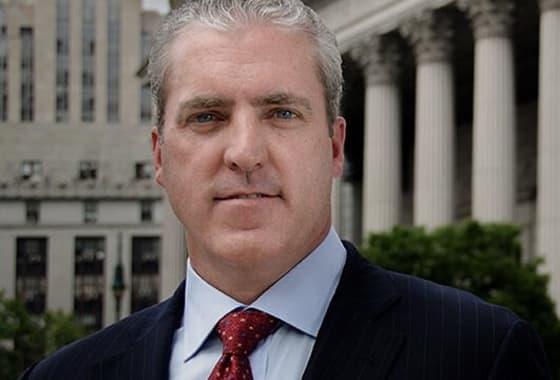
As the founding partner of Williams Law Firm, Joseph P. Williams has dedicated over 30 years to representing mesothelioma victims and their families. His firm has recovered hundreds of millions of dollars for those affected by asbestos exposure, offering personalized, aggressive legal advocacy. Based in New York, Williams Law Firm provides free consultations and handles cases nationwide.
