Most health insurance plans cover standard treatments for mesothelioma and other asbestos-related diseases, but experimental therapies often face a very different set of rules. Insurers frequently deny or restrict coverage for treatments that lack full FDA approval or an established evidence base, even when a treating physician believes the therapy may offer real benefit. Knowing which treatments insurance typically covers, which fall into a gray area, and what protections exist under federal law can help families avoid a coverage denial that arrives at the worst possible time. Because mesothelioma often advances quickly once symptoms appear, a denied claim can cost a patient more than money, so understanding these rules before a denial happens is often the best form of preparation.
At The Williams Law Firm, P.C., we know that families facing a mesothelioma diagnosis need clear, honest answers about coverage, not more confusion. Attorney Joseph P. Williams has spent three decades helping families pursue mesothelioma compensation to cover treatment costs that insurance denies or only partially covers, and our firm has never lost a mesothelioma case. We meet clients in their homes so that sorting through these financial questions does not add another burden to an already difficult time, and we bring the same investigative approach to a client’s insurance situation that we bring to identifying every company responsible for their asbestos exposure.
Most health insurance plans, including employer-sponsored coverage, private marketplace plans, and Medicare, cover established treatments for mesothelioma, asbestosis, and asbestos-related lung cancer. Standard treatment typically includes surgery, chemotherapy, and radiation therapy when a physician determines the approach is medically necessary. Because these treatments have FDA approval and established clinical protocols, insurers generally approve them without extensive pushback, though patients are usually still responsible for deductibles, copayments, and coinsurance under their specific policy terms. The exact cost-sharing amount depends heavily on the plan type, so two patients with the same diagnosis and treatment plan can end up with very different out-of-pocket totals.
Coverage for standard care usually extends beyond the treatment itself. Diagnostic imaging, laboratory work, hospital stays, and physician consultations connected to a standard treatment plan are typically included as well. Insurers generally favor treatments that follow National Comprehensive Cancer Network guidelines and other evidence-based protocols recognized throughout the medical community. Even so, pre-authorization requirements can apply to certain procedures, and those requirements can create delays that affect when a patient actually begins treatment. For patients balancing a fast-moving diagnosis against a slower insurance process, this gap can be one of the most frustrating parts of getting care started, and it is often the first place families run into friction with their insurer. Patients diagnosed with asbestosis or asbestos-related lung cancer generally encounter the same standard-treatment coverage rules as mesothelioma patients, since insurers apply similar medical necessity criteria across all three diagnoses.
Insurance companies generally classify a treatment as experimental when it lacks FDA approval for the specific condition being treated, or when it has not yet accumulated enough clinical evidence to demonstrate safety and effectiveness. This label can apply to novel therapies, new drug combinations, innovative surgical techniques, and treatments still moving through clinical trials, regardless of how promising the early research looks or what a treating oncologist recommends. Because insurers retain significant discretion over these classifications, two similar treatments can sometimes receive very different coverage decisions.
Several categories of treatment tend to draw the most scrutiny from insurers:
The line between standard and experimental treatment is not fixed, and it can shift as new research becomes available. This fluidity is part of why patients and families often need help interpreting a denial letter and determining whether it can be appealed. A denial letter usually cites a specific policy exclusion or medical necessity standard, and that language often determines which kind of appeal or alternative funding path makes the most sense.
Knowing what "experimental" actually means in practice can help patients recognize where they may encounter coverage friction. For mesothelioma and related asbestos diseases, several categories of treatment currently fall into this classification. CAR-T cell therapy, a form of immunotherapy that reprograms a patient’s own immune cells to target cancer, remains in active clinical trials for mesothelioma and has not yet received FDA approval for this specific disease. Checkpoint inhibitor combinations beyond the handful already approved for mesothelioma, photodynamic therapy, and certain gene therapy approaches are also still considered experimental by most insurers, even though early research on each has generated genuine interest among oncologists treating patients whose standard treatments have stopped controlling the disease.
None of these approaches come with guaranteed outcomes, and researchers are still working through real challenges with each one, including side effects, delivery methods, and how consistently they perform across different patients. Photodynamic therapy, for example, uses a light-activated drug to target tumor cells and is being studied both on its own and in combination with other treatments, while gene therapy approaches aim to make cancer cells more responsive to existing drugs. What these approaches share is a common insurance problem, since promising early data is often not enough on its own to move a treatment out of the experimental category. Patients whose oncologists recommend one of these approaches may need to combine a formal insurance appeal with other funding sources to move forward with care on a reasonable timeline.
A systematic review published in the Journal of the National Cancer Institute examined how disruptions in health insurance coverage affect cancer patients nationwide. According to research published by the National Cancer Institute, the review found that coverage disruptions were consistently linked to reduced receipt of cancer care and poorer outcomes, including a higher likelihood of an advanced-stage diagnosis and shorter survival among patients whose coverage lapsed or changed during treatment.
For mesothelioma patients, this research carries particular weight. Because experimental therapies already face a higher bar for approval, any gap or denial in coverage can compound the challenge of accessing care on time. In many cases, a short delay caused by a denied claim or an insurance transition can affect whether a patient remains eligible for a given clinical trial. This is one of the reasons families often look beyond insurance alone, toward legal compensation and trust fund claims, to keep treatment options open while a diagnosis is still relatively early. Because mesothelioma is frequently diagnosed decades after the original asbestos exposure, patients often have little time to spare while an insurance dispute is being sorted out, which makes early legal guidance especially valuable.
The Affordable Care Act requires most health insurance plans to cover the routine patient care costs associated with approved clinical trials for cancer and other life-threatening conditions. This protection applies to federally funded trials and to trials seeking FDA approval for a new treatment. Routine costs include the standard cancer care a patient would receive regardless of trial participation, such as doctor visits, hospital stays, imaging, and laboratory work.
Insurance must pay for services considered part of standard cancer care, even when they are delivered inside a clinical trial. This includes chemotherapy administration, radiation therapy, surgical procedures, diagnostic testing, and management of side effects. A plan cannot deny coverage or add extra costs solely because a patient is enrolled in a trial that meets federal approval criteria.
Trial sponsors typically cover the research-specific expenses connected to a study, including investigational drugs, extra tests conducted only for research purposes, and additional visits beyond standard care requirements. Insurance companies can still deny coverage for care delivered by out-of-network providers or facilities outside their approved network, and patients may face higher out-of-pocket costs when a trial requires travel to a specialized treatment center. Many mesothelioma clinical trials take place at cancer centers affiliated with the National Cancer Institute or major academic medical centers, so patients living outside a major metropolitan area often factor travel costs into their decision about whether to enroll.
Patients covered by Medicare, Medicaid, or VA health benefits face many of the same experimental treatment restrictions as those with private insurance, though the details vary by program. Medicare generally follows the same clinical trial cost protections described above, covering routine care connected to an approved trial while leaving investigational treatment costs to the trial sponsor. Medicaid programs are administered at the state level, so coverage for experimental therapies and clinical trial participation can differ significantly depending on where a patient lives.
Veterans with a history of asbestos exposure during military service may also be eligible for VA health benefits, which can sometimes provide broader coverage for certain treatments than private insurance offers. Because so many mesothelioma patients were exposed to asbestos while serving in the Navy, Army, Air Force, Marine Corps, or Coast Guard, VA benefits are often a meaningful part of the coverage picture. Even so, VA benefits do not always extend to every experimental therapy a patient may want to pursue, and many veterans still need to combine VA coverage with a legal claim to access the full range of care and compensation available to them. Patients who qualify for both Medicare and Medicaid, sometimes called dual-eligible patients, may also have access to a broader combination of benefits than either program provides on its own, which can be worth reviewing closely with an attorney or patient advocate.
Families facing a denial for an experimental treatment have several paths to explore before giving up on a recommended therapy. A formal pre-authorization appeal allows a patient and physician to present medical necessity documentation and directly challenge an insurer’s determination. Strong appeals typically include a detailed letter from the treating oncologist, supporting research on the treatment’s effectiveness, and a clear explanation of why standard treatments have failed or are not appropriate for that patient’s specific case.
Many clinical trials also cover the investigational treatment itself through sponsor funding, which can remove the insurance barrier entirely for that portion of care. Patients denied coverage through one path may still have others available, including Medicare, Medicaid, or VA benefits that apply different criteria than a private plan. In many cases, the most effective strategy combines an active insurance appeal with a parallel effort to secure compensation through other means, so that treatment is not delayed while the appeal works its way through the system. If an internal appeal to the insurer is unsuccessful, most states also allow patients to request an external review by an independent third party, which can sometimes overturn a denial that an internal review upheld.
Mesothelioma lawsuits and asbestos trust fund claims can provide an important funding source for treatment costs that insurance denies or only partially covers. Companies that manufactured or distributed asbestos-containing products established many of these trust funds specifically to compensate victims for medical expenses, lost income, and other damages tied to asbestos exposure. For patients whose insurer has classified a promising therapy as experimental, legal compensation can, in many cases, help close that gap and support access to treatment that might otherwise be out of reach.
Attorney Joseph P. Williams has helped families pursue compensation that may cover experimental therapies, travel to specialized treatment centers, home modifications for care needs, and other expenses beyond what insurance provides. A legal claim does not affect a patient’s existing insurance benefits or government assistance eligibility, so pursuing compensation adds resources rather than replacing what a family already has. Every case is different, and the value of a claim depends on the specific facts involved, including the extent of asbestos exposure and the nature of the illness. Because state statutes of limitations set a deadline for filing a mesothelioma claim, patients and families generally benefit from speaking with an attorney as soon as possible after diagnosis, even while insurance appeals are still underway.
Families juggling medical bills during an active legal case often find that having a clear financial plan alongside their claim makes it easier to focus on treatment decisions rather than mounting expenses.
Health insurance usually covers standard mesothelioma treatments like surgery, chemotherapy, and radiation, but coverage for experimental treatments is much less consistent. Insurers often deny or restrict coverage for therapies that lack full FDA approval or a strong evidence base, even when a physician recommends them. Patients can appeal these denials, and some clinical trials cover investigational treatment costs directly through sponsor funding, which may reduce or eliminate the need for insurance approval for that portion of care.
Insurers generally consider a treatment experimental when it lacks FDA approval for the specific condition being treated or has not yet built up enough clinical evidence to establish its safety and effectiveness. This can include new drug combinations, off-label use of approved medications, and therapies still being studied in clinical trials. Insurance companies have considerable discretion in making this determination, which is why similar treatments can sometimes receive different coverage decisions from different insurers.
Yes. The Affordable Care Act requires most health insurance plans to cover the routine patient care costs connected to an approved clinical trial for cancer, including doctor visits, hospital stays, imaging, and standard treatments delivered during the trial. Insurance is not required to cover the investigational treatment itself, which is typically funded by the trial sponsor. Plans also are not required to cover out-of-network providers involved in a trial.
Veterans exposed to asbestos during military service may be eligible for VA health benefits, which can sometimes cover treatment approaches that private insurance does not. VA coverage rules differ from private insurance, and eligibility depends on service history and discharge status. VA benefits do not always cover every experimental therapy, so many veterans also pursue legal compensation to help fund treatments that fall outside what VA benefits provide.
Patients can file a formal appeal that includes a letter of medical necessity from the treating oncologist, supporting research on the treatment, and an explanation of why standard treatments are not appropriate. It also helps to ask whether the clinical trial itself covers the investigational treatment through sponsor funding. Many families pursue an appeal and alternative funding sources, including legal compensation, at the same time so treatment is not delayed.
In many cases, yes. Compensation from a mesothelioma lawsuit or an asbestos trust fund claim can help cover experimental treatment costs, travel to specialized treatment centers, and other expenses insurance does not pay for. A legal claim does not affect existing insurance or government benefits. Because every case depends on its own facts, an attorney can review the details of a specific diagnosis and exposure history to explain what compensation may be available.
Insurance coverage for experimental mesothelioma treatment can be one of the most confusing parts of an already overwhelming diagnosis, and families should not have to sort through it alone. Attorney Joseph P. Williams brings three decades of experience to every case, and The Williams Law Firm, P.C. has never lost a mesothelioma case. We meet clients in their homes to minimize stress and begin working right away on identifying every compensation source that may be available, including asbestos trust funds and personal injury or wrongful death claims. Our team can also help a family understand how an insurance appeal and a legal claim fit together, so that neither process is left to work in isolation.
Our firm investigates the full scope of a client’s asbestos exposure history to identify liable parties and funding sources that can help cover the cost of both standard and experimental care. We fight to help families access the resources they need so that treatment decisions can be made based on medical judgment, not on what an insurance company happens to approve. Every consultation is free, and there are no upfront legal fees since our firm works on a contingency basis. Schedule a free consultation to discuss how legal compensation may help your family access experimental treatments and other care options beyond insurance coverage limitations.
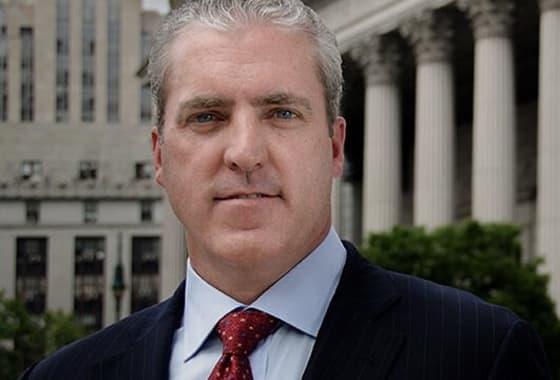
As the founding partner of Williams Law Firm, Joseph P. Williams has dedicated over 30 years to representing mesothelioma victims and their families. His firm has recovered hundreds of millions of dollars for those affected by asbestos exposure, offering personalized, aggressive legal advocacy. Based in New York, Williams Law Firm provides free consultations and handles cases nationwide.
