Navigating insurance coverage for mesothelioma treatment creates significant challenges for patients and families. Standard treatments typically receive coverage, but experimental therapies often face denial or restrictions that limit access to potentially life-saving options.
We understand that families facing mesothelioma need clear answers about which treatments insurance covers and which require alternative funding sources. Attorney Joseph P. Williams has helped hundreds of families secure mesothelioma compensation to cover treatment costs beyond what insurance provides. Our three decades of experience navigating these complex financial situations helps families access necessary care without depleting savings or facing impossible choices between treatment and financial security.
According to research published by the National Cancer Institute, health insurance coverage disruptions adversely affect cancer care receipt and survival, making understanding coverage limitations critical for treatment planning. Experimental treatments present unique coverage challenges that require careful navigation alongside legal strategies to secure additional compensation sources.
Most health insurance plans cover established mesothelioma treatments including surgery, chemotherapy, and radiation therapy when deemed medically necessary by physicians. These standard treatments have FDA approval and established protocols that meet insurance company criteria for coverage. Patients typically pay deductibles, copayments, and coinsurance according to their specific policy terms.
Coverage extends to diagnostic procedures, imaging tests, laboratory work, hospital stays, and physician consultations related to standard treatment approaches. Insurance companies generally approve treatments that follow National Comprehensive Cancer Network guidelines and evidence-based protocols recognized throughout the medical community. Pre-authorization requirements may apply for certain procedures, potentially causing delays that affect treatment timing.
Insurance companies classify treatments as experimental when they lack FDA approval for the specific condition being treated or have not accumulated sufficient clinical evidence demonstrating safety and effectiveness. This classification extends to novel therapies, new drug combinations, innovative surgical techniques, and treatments still undergoing clinical trials. The experimental designation creates coverage barriers regardless of promising research results or physician recommendations.
The boundary between standard and experimental treatment remains fluid, with insurance companies maintaining considerable discretion in classification decisions.
The Affordable Care Act established protections requiring health insurance plans to cover routine patient care costs for approved clinical trials. These protections apply to federally funded trials and trials seeking FDA approval for new treatments. Routine costs include standard cancer treatments, doctor visits, hospital stays, imaging tests, and laboratory work that patients would receive regardless of trial participation.
Insurance must pay for services considered part of standard cancer care even when delivered within a clinical trial setting. This includes chemotherapy administration, radiation therapy, surgical procedures, diagnostic tests, and treatment of side effects. Plans cannot deny coverage or impose additional costs solely because patients participate in trials meeting federal approval criteria.
Trial sponsors typically cover research-specific expenses including investigational drugs, extra tests conducted solely for research purposes, and additional doctor visits beyond standard care requirements. Insurance companies retain authority to deny coverage for treatments delivered by out-of-network providers or facilities not included in their approved networks. Patients may face higher out-of-pocket costs when trial locations require travel to specialized centers.
Families facing coverage denials for experimental treatments have several options for accessing necessary care. Pre-authorization appeals allow patients and physicians to demonstrate medical necessity and challenge insurance company determinations. Documentation from medical experts, published research supporting treatment effectiveness, and detailed explanations of why standard treatments have failed or remain inappropriate strengthen appeal cases.
Many clinical trials cover investigational treatment costs through sponsor funding, eliminating insurance barriers for novel therapies. Veterans with asbestos exposure during military service may qualify for VA benefits covering treatments beyond private insurance limitations. Medicare and Medicaid programs follow specific guidelines that sometimes provide broader coverage than private insurance for certain experimental approaches.
Mesothelioma lawsuits and asbestos trust fund claims provide crucial funding for treatments insurance denies or inadequately covers. Companies that manufactured and distributed asbestos-containing products established trust funds specifically to compensate victims for medical expenses, lost income, and other damages. Legal compensation often proves essential for accessing experimental treatments offering the best survival outcomes when standard treatments fail to control disease progression.
Attorney Williams has recovered hundreds of millions of dollars helping families secure compensation that covers experimental therapies, travel to specialized treatment centers, home modifications for care needs, and other expenses beyond insurance coverage. Legal claims do not affect insurance benefits or government assistance eligibility, providing additional resources families need during treatment. The average mesothelioma settlement ranges from $1 million to $1.4 million according to industry reports, though trial verdicts sometimes reach significantly higher amounts.
Understanding insurance coverage limitations represents only one aspect of securing necessary mesothelioma treatment. Attorney Joseph P. Williams provides personalized guidance helping families navigate both insurance appeals and legal compensation claims that fund experimental therapies offering hope beyond standard treatment options. Our firm has never lost a mesothelioma case and brings three decades of specialized experience to every client relationship.
We meet clients in their homes to minimize stress and begin work immediately on securing compensation that covers treatment costs insurance denies. Our thorough investigation identifies all liable parties and compensation sources available through lawsuits and trust fund claims. We fight aggressively to recover full compensation while families focus on treatment decisions and quality time together. Schedule a free consultation to discuss how legal compensation can help your family access experimental treatments and other care options beyond insurance coverage limitations.
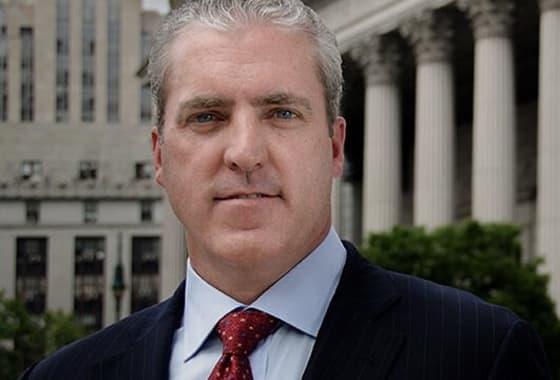
As the founding partner of Williams Law Firm, Joseph P. Williams has dedicated over 30 years to representing mesothelioma victims and their families. His firm has recovered hundreds of millions of dollars for those affected by asbestos exposure, offering personalized, aggressive legal advocacy. Based in New York, Williams Law Firm provides free consultations and handles cases nationwide.

